October 29, 2026
Maintaining your home's plumbing is essential for preventing unexpected emergencies, expensive repairs, and unnecessary water damage. While homeowners can handle some minor maintenance tasks, certain problems require professional expertise to ensure safe and effective solutions. Understanding the warning signs of plumbing issues helps you determine when to contact a plumber before a small inconvenience becomes a major concern. From leaking pipes to sewer line complications, recognizing these problems early can protect your property and improve household efficiency.
Identifying Leaky Faucets and Pipes
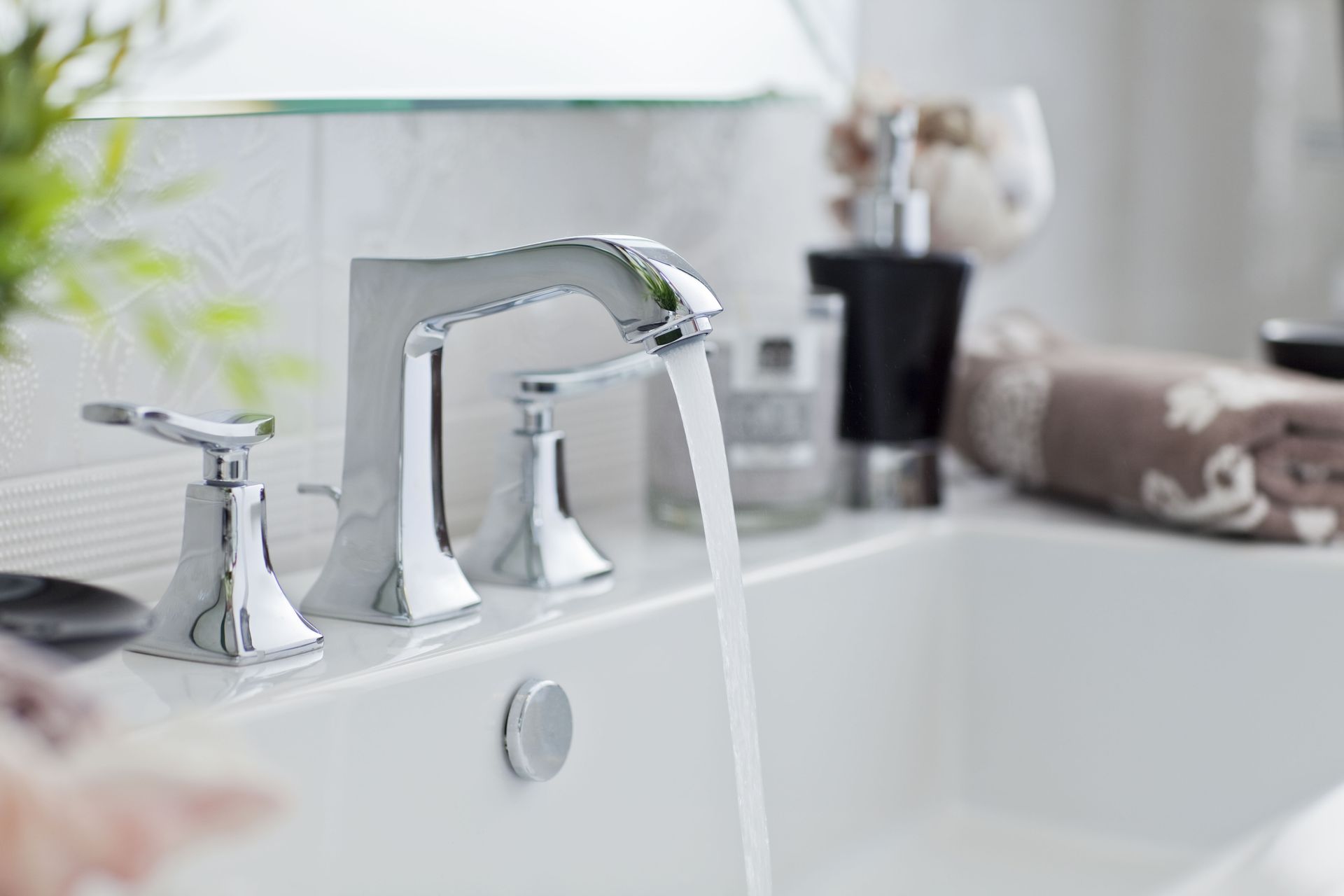
Leaky faucets and deteriorating pipes are among the most common household plumbing problems. Pipes can weaken over time because of corrosion, temperature fluctuations, and general wear. Visible rust, discoloration, moisture accumulation, and unexplained water stains often indicate developing leaks. Regularly inspecting exposed pipes beneath sinks and around appliances can help homeowners identify potential problems before significant damage occurs.
Continuous leakage can damage flooring, walls, insulation, and structural components. Excess moisture also creates favorable conditions for mold growth, potentially affecting indoor air quality. Even a slowly dripping faucet can waste considerable amounts of water over time, increasing monthly utility expenses.
Although tightening connections or applying temporary sealants might reduce minor leaks, these solutions rarely address underlying pipe deterioration. A professional plumber can identify damaged components, determine whether repairs or replacements are necessary, and recommend lasting solutions.
Homeowners can also monitor their water meters to detect hidden leaks. If the meter continues registering usage while all fixtures are turned off, an undetected leak may be present. Documenting visible damage and reviewing homeowners insurance coverage can also be helpful when unexpected water damage occurs.
Recognizing Persistent Drain Clogs
Clogged drains frequently develop when grease, soap residue, hair, food particles, and other debris accumulate inside pipes. Minor blockages may respond to plunging or careful removal of accessible debris. However, recurring clogs often indicate deeper obstructions requiring specialized equipment.
Multiple fixtures draining slowly, unusual gurgling noises, and wastewater backing up into sinks or tubs can signal significant drainage problems. These symptoms sometimes indicate an obstruction within the main sewer line rather than an individual fixture.
Chemical drain cleaners should be approached cautiously because their corrosive ingredients can damage certain plumbing materials and create safety hazards. Mechanical cleaning methods are generally preferable for addressing stubborn obstructions.
When household solutions fail, a plumber can use specialized equipment such as drain snakes or hydro jetting systems. Hydro jetting uses pressurized water to remove accumulated grease, debris, and certain root obstructions. According to HomeGuide, this cleaning method can help prevent future clogs for approximately two to three years, although results depend on pipe conditions and usage.
Addressing Tree Root Intrusions
Tree roots naturally seek moisture and nutrients, making underground sewer lines attractive entry points. Small cracks or deteriorating pipe joints can allow roots to penetrate drainage systems, eventually creating substantial blockages.
Common warning signs include recurring sewer backups, slow drainage throughout the house, and unpleasant odors around outdoor drains. As roots expand, they can worsen existing pipe damage and interfere with wastewater movement.
Professional video inspections can identify root intrusion without immediately requiring excavation. Depending on the severity of the damage, technicians may recommend mechanical root removal, hydro jetting, pipe lining, or replacement.
Preventative measures include monitoring nearby tree growth, scheduling inspections when recurring blockages occur, and avoiding planting large trees directly above underground utility lines.
Investigating Low Water Pressure
Low water pressure can make everyday activities such as showering, washing dishes, and operating appliances frustrating. Identifying whether the problem affects one fixture or the entire house is an important first step toward determining its cause.
Mineral deposits commonly accumulate inside faucets, showerheads, and pipes, particularly in areas with hard water. Cleaning accessible fixtures may restore normal flow when buildup is relatively minor. More extensive deposits, however, can restrict water movement throughout the plumbing system.
Other potential causes include hidden leaks, deteriorating pipes, partially closed valves, and malfunctioning pressure regulators. Sudden pressure changes may also indicate municipal water supply maintenance or temporary service disruptions.
If several fixtures experience persistent pressure problems, contacting a plumber can help determine whether internal repairs are necessary. Professional pressure testing and system inspections can reveal problems that homeowners cannot easily identify through visual examination.
Evaluating Water Heater Problems
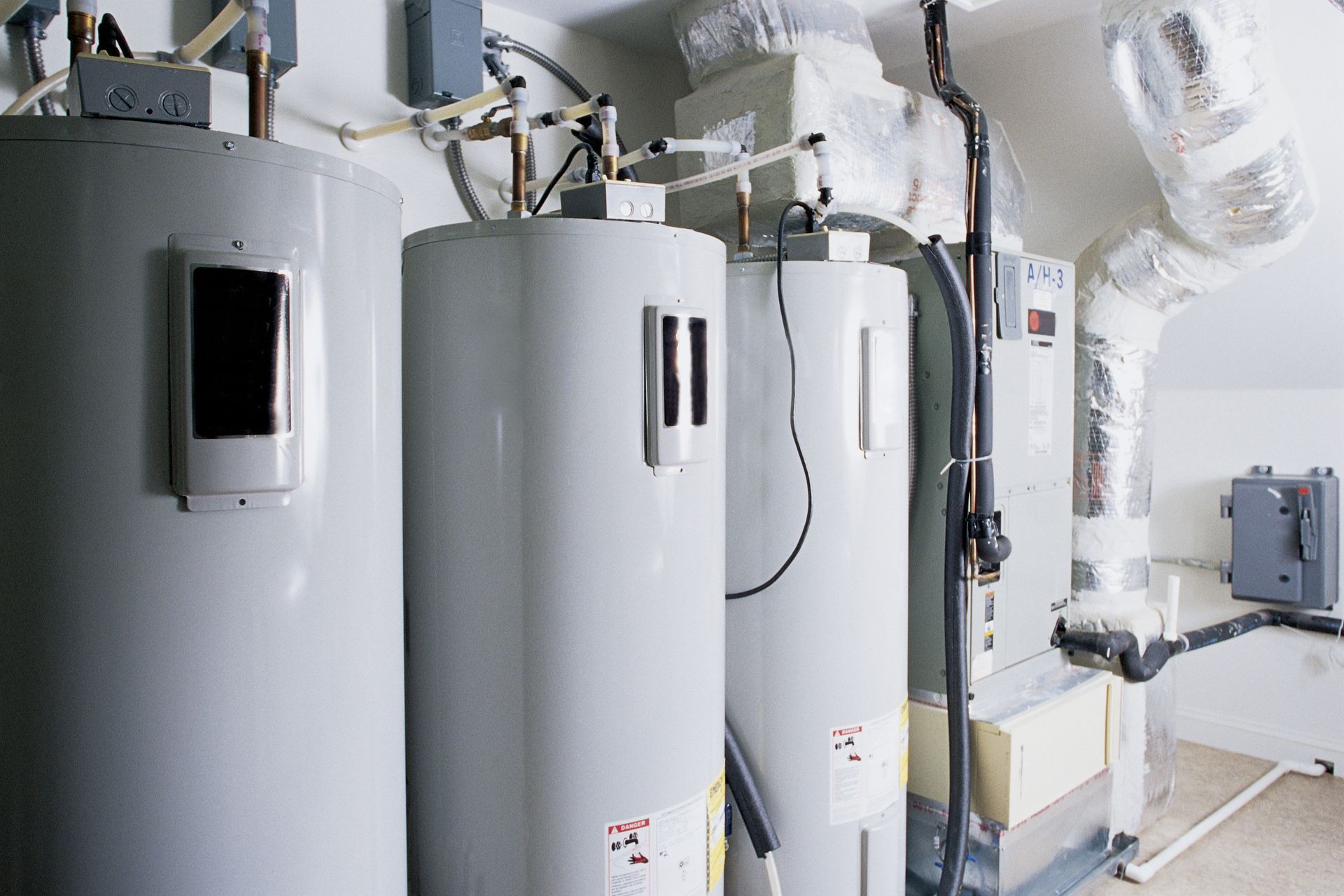
Water heaters provide the hot water needed for bathing, cleaning, cooking, and other daily activities. Conventional tank-style units commonly last approximately eight to twelve years, although maintenance practices, water quality, and equipment design influence their actual lifespan.
Warning signs include inconsistent water temperatures, insufficient hot water, unusual noises, and visible moisture around the tank. Rumbling or popping sounds frequently result from sediment accumulating near the bottom of the unit, reducing heating efficiency.
Gas-powered water heaters may also experience ignition, pilot light, or thermocouple problems. Electric models can develop faulty heating elements or thermostat malfunctions. Because these systems involve electricity, gas, and potentially scalding water, complicated repairs should be handled by qualified professionals.
A plumber can inspect the equipment, identify failing components, and determine whether repair or replacement offers better long-term value. Routine maintenance, including appropriate tank flushing and component inspections, may improve efficiency and extend equipment life.
Resolving Malfunctioning Toilets
Toilet problems can waste water, interrupt household routines, and occasionally cause significant property damage. Continuously running toilets often result from worn flappers, improperly adjusted floats, or defective fill valves. Replacing accessible internal components may resolve straightforward problems.
Weak flushing and recurring blockages can indicate insufficient tank water levels, obstructed traps, or deeper drainage restrictions. Homeowners should avoid repeatedly flushing a blocked toilet because overflowing wastewater can damage surrounding flooring.
Another common issue involves phantom flushing, which occurs when a toilet periodically refills without being used. This usually indicates water escaping from the tank into the bowl through a deteriorating seal.
Visible cracks in the toilet tank or bowl deserve immediate attention, especially when accompanied by leakage. Structural damage can worsen unexpectedly, making replacement necessary in some situations.
When simple adjustments fail to resolve recurring problems, a plumber can evaluate the fixture and recommend appropriate repairs. Replacing an outdated toilet with a water-efficient model may also help reduce household water consumption.
Detecting Sewer Line Complications
Sewer line problems are particularly concerning because they can expose household occupants to contaminated wastewater. Warning signs include foul odors, gurgling drains, repeated backups, and sewage appearing in basement fixtures or lower-level bathrooms.
Common causes include tree root intrusion, aging pipes, shifting soil, grease accumulation, and structural deterioration. Underground damage may remain unnoticed until drainage problems become severe.
Modern video inspection equipment allows technicians to examine underground lines and locate damaged sections with minimal disruption. Accurate diagnosis helps determine whether cleaning, localized repairs, or complete replacement is appropriate.
Replacement methods include traditional excavation and trenchless techniques such as pipe bursting or lining. Trenchless approaches can reduce landscape disruption when existing pipe conditions permit their use.
Homeowners should avoid using affected drains when sewage is backing up and arrange prompt professional assistance. Addressing sewer problems quickly can reduce contamination risks and prevent additional property damage.
Understanding When DIY Repairs Are Insufficient
Basic maintenance tasks, including cleaning faucet aerators, replacing accessible toilet flappers, and using plungers, are often manageable for homeowners. However, complicated repairs involving concealed pipes, water supply connections, gas lines, or sewer systems require additional expertise.
Repeatedly attempting temporary repairs can sometimes worsen existing damage or conceal serious problems. Improper installations may also violate local plumbing codes, potentially creating complications during property inspections or future renovations.
Understanding common plumbing problems allows homeowners to make informed decisions about maintenance, repairs, and professional assistance. Leaky pipes, stubborn clogs, low water pressure, malfunctioning water heaters, and sewer line damage all require appropriate attention to prevent larger complications. Contact our team at Walsh & Son Plumbing and Sewer today and learn more about our plumbing services.