September 25, 2026
Reliable access to hot water is essential for many everyday household activities, from showering and washing dishes to doing laundry and cleaning. When an aging or inefficient water heater struggles to meet demand, homeowners may experience inconsistent temperatures, long waits for hot water, or an insufficient supply during busy periods. Replacing outdated equipment with a properly selected and professionally installed system can improve the consistency and availability of hot water throughout the home. Water heater installations involve more than simply connecting a new appliance. The process requires evaluating household demand, choosing an appropriate system, positioning the equipment correctly, making secure plumbing and energy connections, and confirming proper operation. Understanding these steps can help homeowners see how a carefully planned installation contributes to a dependable hot water supply.
Evaluating the Household's Hot Water Needs
The installation process begins by determining how much hot water a household typically uses. The number of occupants, bathrooms, appliances, and daily routines can all influence demand. A household where several people shower around the same time may have very different requirements from a smaller household where hot water use is spread throughout the day. Evaluating these patterns helps determine the capacity and type of equipment that can adequately serve the property without unnecessary limitations.
Professional water heater installations take these practical requirements into account before equipment is selected. For a traditional storage system, tank capacity is an important consideration because the unit needs to hold enough heated water for typical periods of demand. Tankless systems require a different evaluation involving flow rates and the possibility of simultaneous fixture use. Proper sizing helps reduce situations in which occupants unexpectedly run out of hot water while also avoiding equipment that is unnecessarily large for the home's actual needs.
Selecting the Appropriate Water Heater System
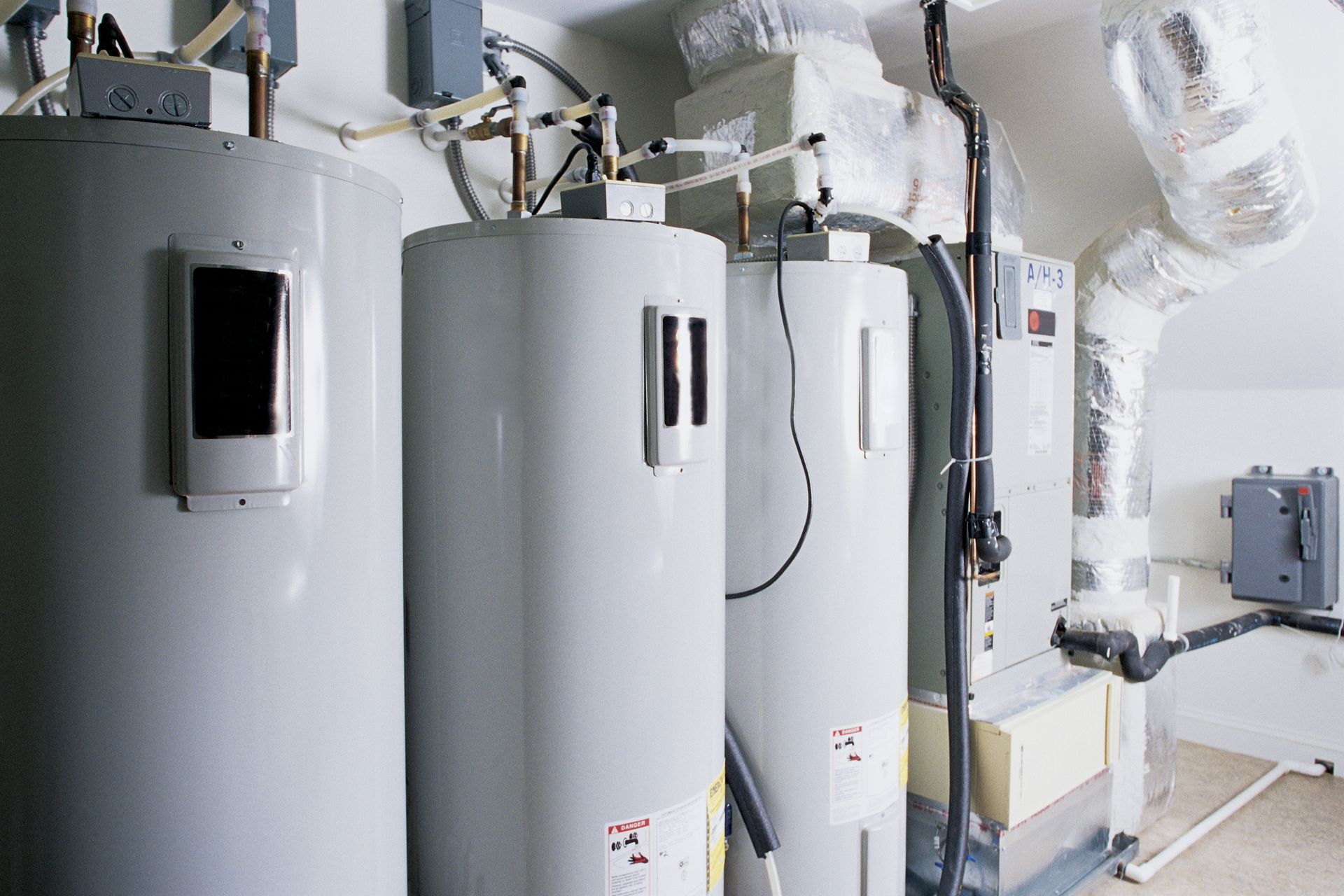
Homeowners have several water heater options, and each operates differently. Traditional storage water heaters maintain a reservoir of heated water that is available when a faucet or appliance calls for it. Tankless models heat water as it flows through the system rather than storing a large supply. Other considerations include whether the equipment uses electricity, natural gas, or another available energy source. Existing utility connections and the home's layout can influence which options are practical.
According to the U.S. Department of Energy, high-quality tankless water heaters can last more than 20 years, compared with approximately 10 to 15 years for standard storage tank models. Longevity is one factor homeowners may consider, but installation requirements, initial cost, maintenance, available space, and household demand also matter. During water heater installations, professionals can evaluate these considerations and explain how different systems may fit the property. Choosing suitable equipment creates the foundation for dependable performance after installation is complete.
Positioning the Equipment for Proper Operation
Where a water heater is installed can affect accessibility, safety, and overall performance. Traditional tanks require enough room for the appliance itself as well as necessary plumbing, valves, and service access. Tankless units take up less space but still need an appropriate mounting location and access to water and energy connections. Gas-fired systems may have additional ventilation and combustion requirements that influence where the equipment can be placed.
During water heater installations, technicians evaluate the proposed location before securing the new equipment. They may consider clearance requirements, drainage, venting, structural support, and access for future inspection or maintenance. Proper positioning also makes it easier to reach shutoff valves and other components if service becomes necessary. Taking these details into account during installation can help prevent accessibility problems and provide the equipment with an environment suited to reliable everyday operation.
Connecting the Plumbing and Energy Supply
Once the equipment is positioned, it must be connected to the home's plumbing system. Cold water needs to enter the unit correctly, while heated water must be distributed to fixtures and appliances throughout the property. Connections should be properly fitted and checked to reduce the possibility of leaks. Depending on the system, additional components such as shutoff valves, expansion tanks, pressure-related devices, or drainage connections may also be involved in the installation.
Water heater installations also require appropriate connections to the energy source that powers the equipment. Electric models require suitable electrical connections, while gas-fired units need properly configured fuel and venting systems. These connections are important because the heater must receive the energy needed to raise water to the desired temperature consistently. Professional installation helps ensure that plumbing and energy components are configured according to equipment specifications and applicable requirements before the system is placed into regular use.
Testing the System for Consistent Performance
Installing the equipment and making the necessary connections are not the final steps. The system should be tested to confirm that it fills, heats, and distributes water properly. Technicians can inspect connections for leaks, verify temperature settings, and observe the unit as it begins operating. For systems that rely on gas, electrical controls, or specialized venting, additional checks may be necessary to confirm that individual components are functioning as intended.
Thorough testing after water heater installations can identify problems before the technician leaves the property. A loose connection, incorrect setting, or unexpected performance issue is easier to address during the initial installation than after the household has begun depending on the system. Testing also gives homeowners an opportunity to learn how the new equipment operates. Understanding basic controls, temperature settings, shutoff procedures, and normal operating behavior can make it easier to recognize unusual changes later.
Maintaining the Equipment for Continued Reliability
Even a properly installed water heater requires ongoing care. Storage tanks can accumulate sediment over time, particularly in areas with mineral-rich water. Valves, connections, heating elements, burners, and other components may also experience gradual wear. Tankless equipment has its own maintenance needs, which can include removing mineral buildup from internal passages. Following manufacturer recommendations helps homeowners understand which maintenance tasks should be performed and how frequently professional service may be appropriate.
Professional water heater installations can provide a strong starting point for long-term maintenance because the equipment begins service with properly configured connections and settings. Homeowners should remain attentive to changes such as fluctuating temperatures, unusual noises, visible leaks, discolored water, or reduced hot water availability. These symptoms may indicate that the system needs inspection or maintenance. Addressing developing concerns promptly can help preserve dependable operation and prevent smaller issues from becoming more disruptive.
Supporting a Dependable Hot Water Supply
Reliability depends on multiple parts of the water heating system working together. Appropriate capacity helps the equipment meet normal demand, while secure plumbing connections allow water to move efficiently into and out of the unit. Correct energy connections provide the power required for heating, and proper settings help maintain suitable water temperatures. When these factors are addressed during installation, the system is better prepared to support everyday household routines.
Well-planned water heater installations can also help homeowners avoid problems associated with equipment that is poorly sized or incorrectly configured. A unit that cannot keep pace with household demand may create frequent hot water shortages, while installation problems can interfere with otherwise capable equipment. Professional attention to sizing, placement, connections, testing, and operating requirements brings these considerations together. Combined with appropriate maintenance, these steps can help households receive a consistent supply of hot water when they need it.
A reliable water heater supports many of the routines that keep a household comfortable and functional. Achieving dependable performance starts with evaluating demand and selecting equipment that fits the home's needs, but proper positioning, secure connections, careful testing, and ongoing maintenance are equally important. Professional water heater installations bring these steps together so the equipment can deliver hot water consistently while operating according to its intended specifications. Homeowners can also support long-term reliability by following maintenance recommendations and responding promptly when they notice changes in temperature, water quality, or system performance. If your current water heater is no longer meeting your household's needs or you are considering a new system, contact Walsh & Son Plumbing and Sewer.