July 28, 2026
The water heater is an essential appliance in every modern residence, quietly supplying continuous hot water for daily tasks like bathing, cooking, and sanitation. When this system suddenly breaks down, the unexpected absence of hot water rapidly disrupts daily routines and creates widespread household stress. Recognizing how essential hot water is for personal comfort helps property owners realize that plumbing failures require immediate attention. Being fully prepared for unexpected plumbing breakdowns allows family members to react calmly during a sudden home emergency.
Proper management of household plumbing requires a basic understanding of how appliances impact overall domestic energy requirements. According to statistics from the U.S. Department of Energy, water heating represents a major portion of residential power demands, accounting for roughly 18% of a home's total energy consumption. Because this unit works continuously behind the scenes, ensuring that new water heater installations receive expert care is vital for maintaining home comfort. This comprehensive guide outlines practical methods for evaluating equipment, managing unexpected failures, and ensuring that future water heater installations function safely over time.
Understanding Your Water Heater Components
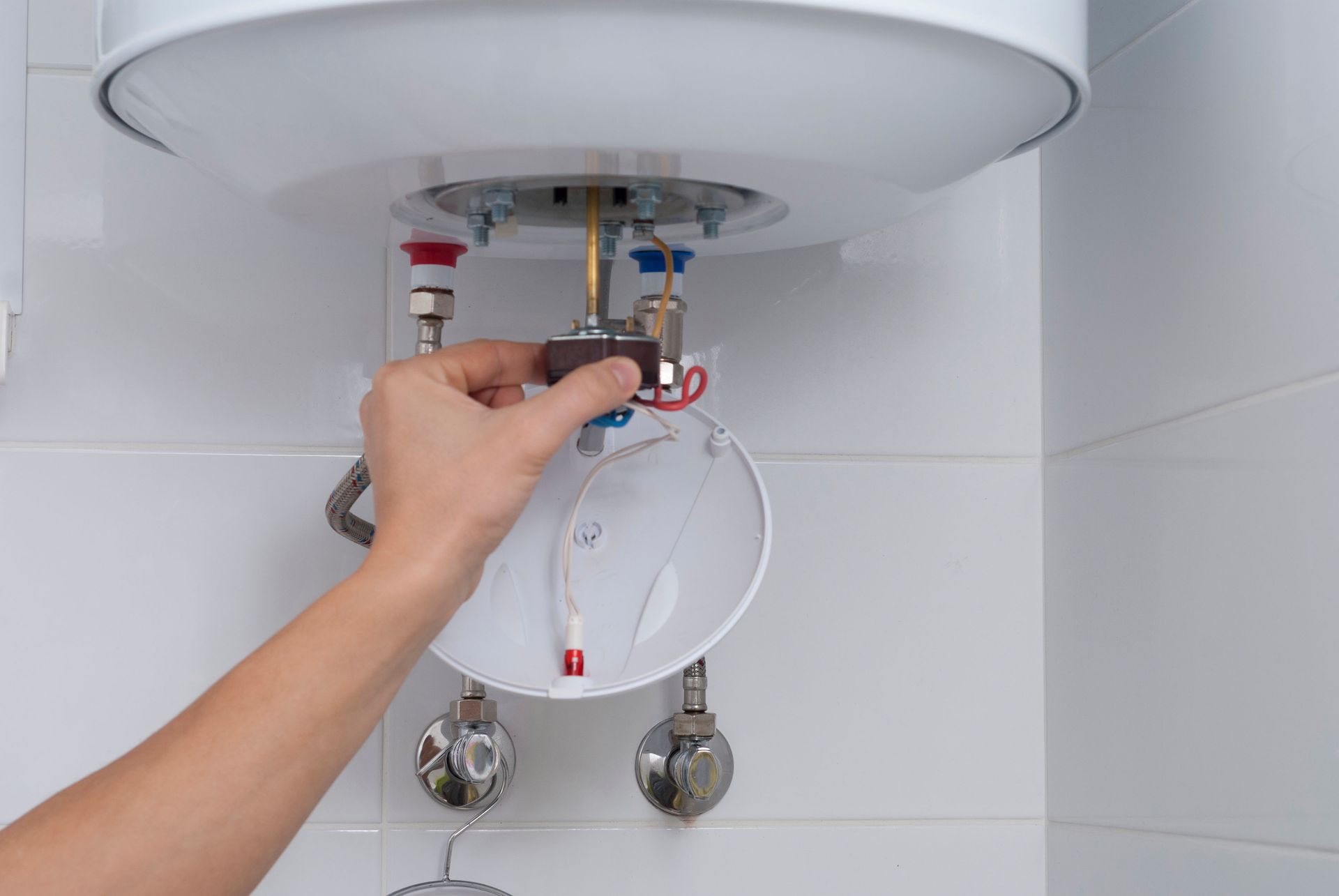
A conventional hot water system relies on several vital internal elements working in harmony to deliver consistent hot water throughout the home. Cold water travels through a specialized dip tube to the bottom of the storage tank, where heating elements powered by gas or electricity elevate the water temperature. The internal thermostat controls the heating process to maintain consistent temperature levels, while an internal anode rod attracts corrosive elements to shield the tank lining. Understanding these essential mechanical parts gives homeowners clarity when evaluating system performance and describing issues during routine service calls.
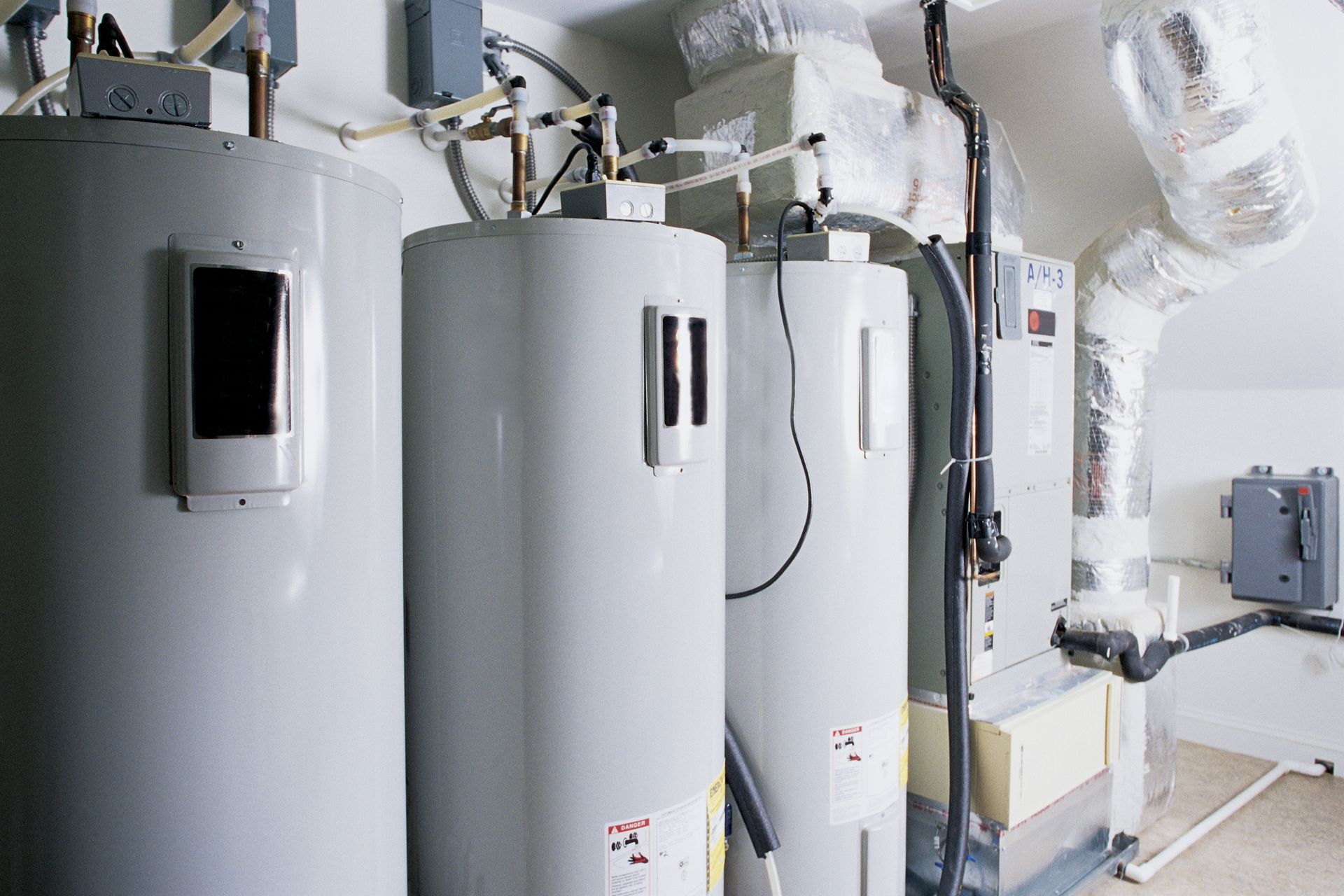
Different property designs require distinct types of systems, ranging from traditional storage tank units to tankless units that heat water on demand. Tankless models deliver continuous hot water without requiring storage tanks, whereas traditional systems maintain a reservoir of preheated water. Deciding between various equipment options requires evaluating total household hot water demand and physical space constraints within the utility area. Proper sizing during initial water heater installations guarantees that appliances match household demand without placing strain on plumbing connections or gas lines.
Recognizing Signs of Wear and Failure
Detecting early signs of mechanical wear prevents minor plumbing trouble from turning into an overwhelming household crisis. Discolored tap water frequently points to internal corrosion inside the tank or severe deterioration of the anode rod. Banging, rumbling, or popping noises emerging from the tank usually signal heavy sediment buildup along bottom heating surfaces. Variable water temperatures, slow recovery times, and moisture around fittings signal that internal components are wearing out and require professional inspection.
Aging equipment gradually exhibits performance declines as internal mechanisms suffer years of thermal stress and mineral exposure. Tank systems that have been in service for many years eventually experience structural metal fatigue, making premature leaks much more likely. Tracking performance trends and keeping notes on service history helps determine whether minor repairs remain practical. Scheduling professional water heater installations when units reach the end of their operational lifespan prevents unexpected tank ruptures and keeps plumbing systems performing reliably.
Diagnosing Operational Issues Correctly
When hot water stops flowing unexpectedly, systematic diagnosis helps pinpoint whether the trouble stems from electrical controls, gas supply lines, or plumbing hardware. Sudden loss of hot water might result from a tripped circuit breaker, an extinguished pilot light, or a failing thermostat element. Persistent leaks around top connections or relief valves suggest excessive pressure buildup or loose threaded joints that need immediate tightening. Identifying the underlying cause quickly prevents secondary problems, such as water damage or gas leaks, from impacting building structures.
Water temperature fluctuations indicate mineral deposits encasing heating elements or obstructing internal dip tubes. Thick sediment layers insulate the heating source from surrounding water, causing erratic thermal transfer and unusual popping sounds. Flushing out accumulated sediment restores standard flow rates and reduces strain on heating elements. However, if internal tank components suffer extensive physical breakdown, planning professional water heater installations offers a permanent solution for restoring dependable hot water delivery throughout the home.
Taking Immediate Emergency Action Steps
Prioritizing safety remains paramount whenever a sudden hot water emergency occurs within a residence. The first step during any major leak or electrical fault involves turning off the dedicated power supply or main fuel line to prevent electrical shocks or gas accumulation. Electric models require turning off switches at the main breaker panel, whereas gas units require turning the inline gas shutoff valve to the off position. Shutting off the main cold water supply valve stops incoming water flow and halts active flooding near utility closets.
Draining the storage tank serves as another critical emergency response action when severe tank leaks occur. Connecting a garden hose to the bottom drain valve directs remaining hot water safely toward an exterior drain or basement sump pump. Allowing the tank to drain completely removes physical pressure from cracked tank walls and mitigates potential water damage to subflooring. Following proper emergency protocols protects property assets until licensed technicians arrive to evaluate whether minor repairs or new water heater installations are necessary.
Evaluating Repair Versus Replacement Options
Deciding whether to repair an existing water heater or invest in new equipment depends on system age, physical condition, and problem severity. Minor issues like faulty thermostats, worn heating elements, or loose relief valves are easily corrected through standard component replacement. Conversely, structural issues such as severe internal tank corrosion or persistent base leaks cannot be patched safely. Evaluating overall system condition with help from experienced technicians ensures homeowners make sensible decisions that preserve long-term household functionality.
Upgrading aging plumbing infrastructure eliminates recurring maintenance headaches and provides long-term peace of mind for property owners. Modern appliances offer far superior energy efficiency, reliable recovery rates, and robust construction compared to outdated models. Professional water heater installations guarantee compliance with local building codes, proper venting alignments, and secure gas line connections. Selecting qualified plumbing specialists guarantees that new equipment operates safely and provides dependable hot water for years to come.
Implementing Proactive System Maintenance
Routine preventative maintenance significantly extends the operational lifespan of hot water equipment while preventing unexpected structural failures. Periodic tank flushing removes mineral sediment before heavy buildup damages heating surfaces or clogs drain valves. Inspecting temperature and pressure relief valves ensures excess pressure vents safely during high-temperature cycles. Inspecting and replacing worn sacrificial anode rods prevents internal tank walls from succumbing to corrosive water elements over time.
Establishing a regular service schedule keeps plumbing appliances operating smoothly and minimizes the likelihood of middle-of-the-night plumbing emergencies. Professional plumbing inspections catch minor fitting leaks, worn electrical connections, or improper gas venting before severe safety hazards develop. Property owners who combine regular preventative care with timely water heater installations enjoy consistent hot water delivery and fewer unexpected household disruptions. Proactive home maintenance remains the single best defense against sudden utility failures.
Navigating a water heater breakdown requires quick thinking, safety awareness, and a basic understanding of modern plumbing systems. Knowing how to locate emergency shutoff valves, drain storage tanks, and recognize early warning signs allows homeowners to manage unexpected failures effectively. Taking preventative measures and addressing minor warning signs early keeps essential household systems working properly while preventing major water damage to residential structures.
Maintaining a comfortable home environment relies on working with experienced plumbing professionals who understand proper equipment installation, sewer services, and drain maintenance. Professional guidance ensures every plumbing project meets strict local safety standards and industry guidelines. When you need dependable emergency services or expert support for your next home project, reach out to our team at Walsh & Son Plumbing and Sewer so we can restore comfort and safety to your home.