June 29, 2026
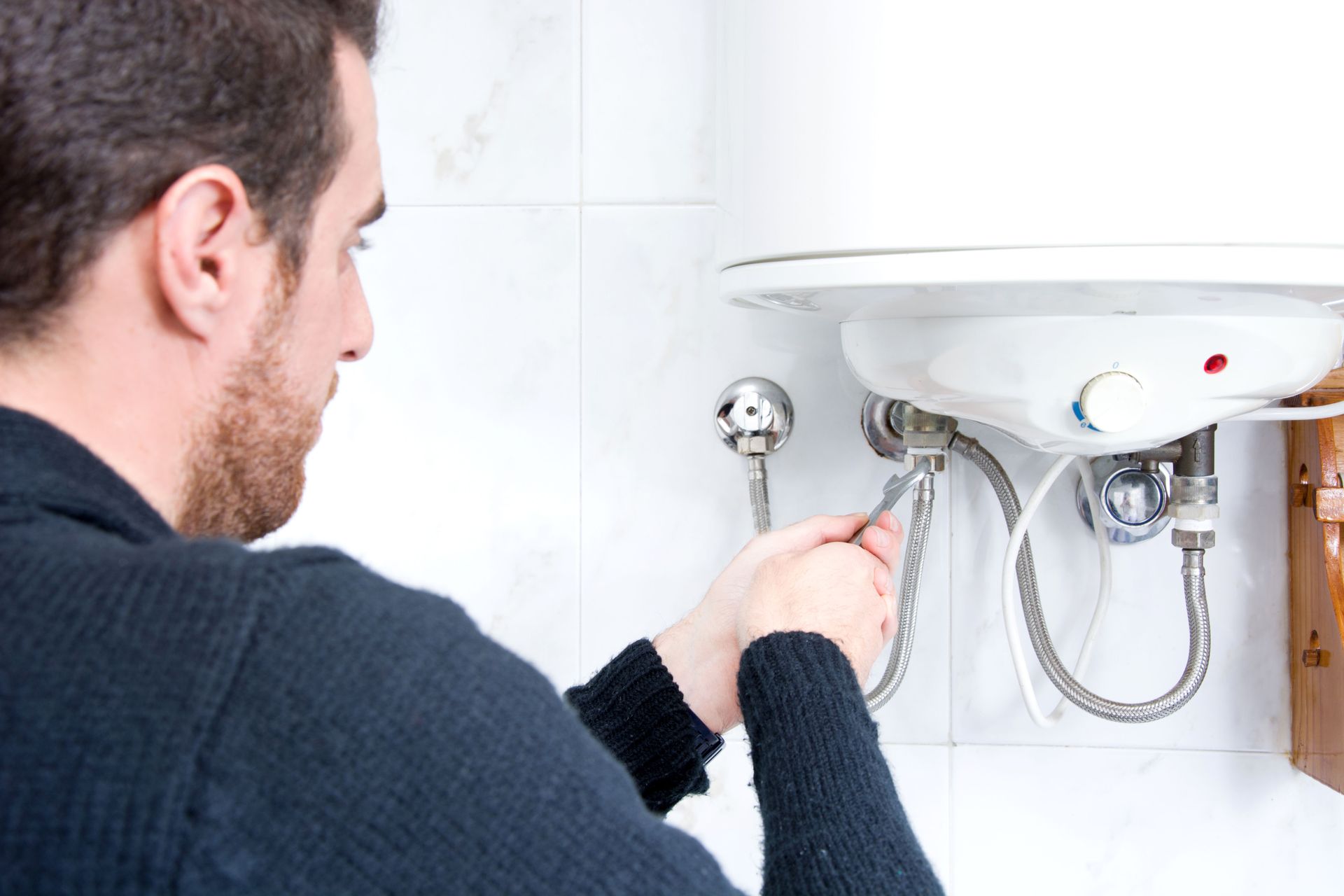
Choosing between tankless and traditional tank systems is a major decision that directly impacts your daily comfort, morning routine, and monthly budget. A bustling family with back-to-back morning showers has vastly different demands than a quiet, two-person household. Planning this upgrade with a clear view of your goals guarantees that your professional water heater installation delivers reliable warmth without unexpected financial surprises.
Comparing Energy Efficiency
Operating systems differ when comparing daily power consumption. Tankless models warm water instantly on demand, removing standby waste. According to statistics from the U.S. Department of Energy, for homes that use 41 gallons or less of hot water daily, a tankless water heater can be 24% to 34% more energy efficient than a traditional storage tank. Environmental impacts matter to eco-conscious property owners. Because demand-style units require less power overall, they generate lower carbon emissions during household operations. Traditional storage options create a larger environmental footprint due to constant heating cycles.
Annual running expenses heavily influence household budgets. Tankless models lower monthly power bills through on-demand operation, saving money over time. Standard storage options demand continuous power, which results in higher utility bills month after month. Energy efficiency ratings offer an objective benchmark for buyers comparing options. On-demand heaters consistently achieve superior efficiency marks because they eliminate standby heat loss.
Storage tanks receive lower ratings because they draw power continuously. Government incentives make high-efficiency upgrades highly attractive. Many regions provide excellent rebates for on-demand systems to promote sustainability. These financial perks offset initial costs, whereas standard tanks rarely qualify for major environmental tax credits.
Assessing Installation Costs
Equipment pricing reveals a clear gap between competing technologies. Tankless models carry higher purchase prices due to advanced internal components. Standard storage units are much cheaper upfront, providing immediate financial relief for budget-conscious buyers. Setup complexity introduces variable expenses during upgrading. On-demand units require specialized technical modifications to plumbing lines, increasing the cost of your professional water heater installation. Standard tanks are faster and simpler to set up without extra labor fees.
Structural retrofitting needs can quickly expand budgets if unplanned. On-demand systems often require upgraded electrical lines or larger gas valves to operate safely. Replacing an existing tank with a similar model avoids these alterations, keeping the project straightforward. Hidden expenses can surprise homeowners during home improvement construction. Upgrading to a tankless unit might reveal unexpected venting upgrades or local permitting requirements.
Anticipating these secondary expenses ensures an accurate budget before starting your water heater installation project. Financial planning helps clarify the true cost of appliance ownership. High-efficiency units demand more money upfront but deliver substantial monthly savings. Standard tanks cost less today but generate higher ongoing bills that eventually eclipse initial savings.
Analyzing System Performance
Delivery speed directly impacts your household comfort and daily convenience. Tankless units warm water instantly on demand as it flows, providing immediate access. Storage systems require patience because a depleted reservoir takes considerable time to heat up to an optimal temperature again. Total hot water capacity determines how well systems handle heavy simultaneous usage. Tankless models provide endless hot water but face strict flow limits. Storage vessels excel at supplying multiple plumbing fixtures simultaneously from a large, preheated reservoir of water.
Temperature consistency remains a vital factor for daily comfort during a shower. Tankless units can experience minor fluctuations if household demand overwhelms the system's output capability. Storage tanks provide steady warmth until the hot water completely runs out, requiring a wait. System recovery rates define how quickly hot water returns after heavy use. Demand-style technology eliminates recovery times by heating water continuously.
Storage units force users to wait, making a modern water heater installation ideal for avoiding these inconvenient household interruptions. Operational noise levels affect the tranquility and comfort of your living environment. Holding tanks run quietly when new but rumble loudly as sediment builds up inside. Tankless options operate quietly without large storage vessels to collect debris and crackle.
Managing Maintenance Needs
Operational longevity is a major consideration for maximizing overall asset value. Demand-style units are highly durable, often lasting for several decades with proper care and attention. Traditional storage models have shorter lifespans due to continuous water exposure, sediment accumulation, and rust. Routine upkeep preserves high performance and extends your equipment's active life. Tankless models require regular descaling to remove stubborn mineral buildup from internal components. Storage systems need routine flushing to clear out heavy sediment from the bottom of the tank floor.
Common repair issues differ significantly between these mechanical appliance designs. Advanced units can experience sensor glitches or electrical faults due to complex circuitry. Storage models frequently suffer from physical leaks, failed thermostats, or rusted elements. Professional water heater installation limits these risks. Regional water quality impacts how long your household plumbing appliances endure. Hard water damages tankless components by clogging internal pathways with mineral scale.
Storage models experience sediment buildup that degrades the tank lining over time, leading to early failure. Warranty protection offers valuable security against premature equipment failure and repair costs. Manufacturers provide extensive warranties for tankless systems due to their durable construction. Standard storage warranties cover fewer years, reflecting their shorter operational lifespans under daily stress.
Evaluating Space Requirements
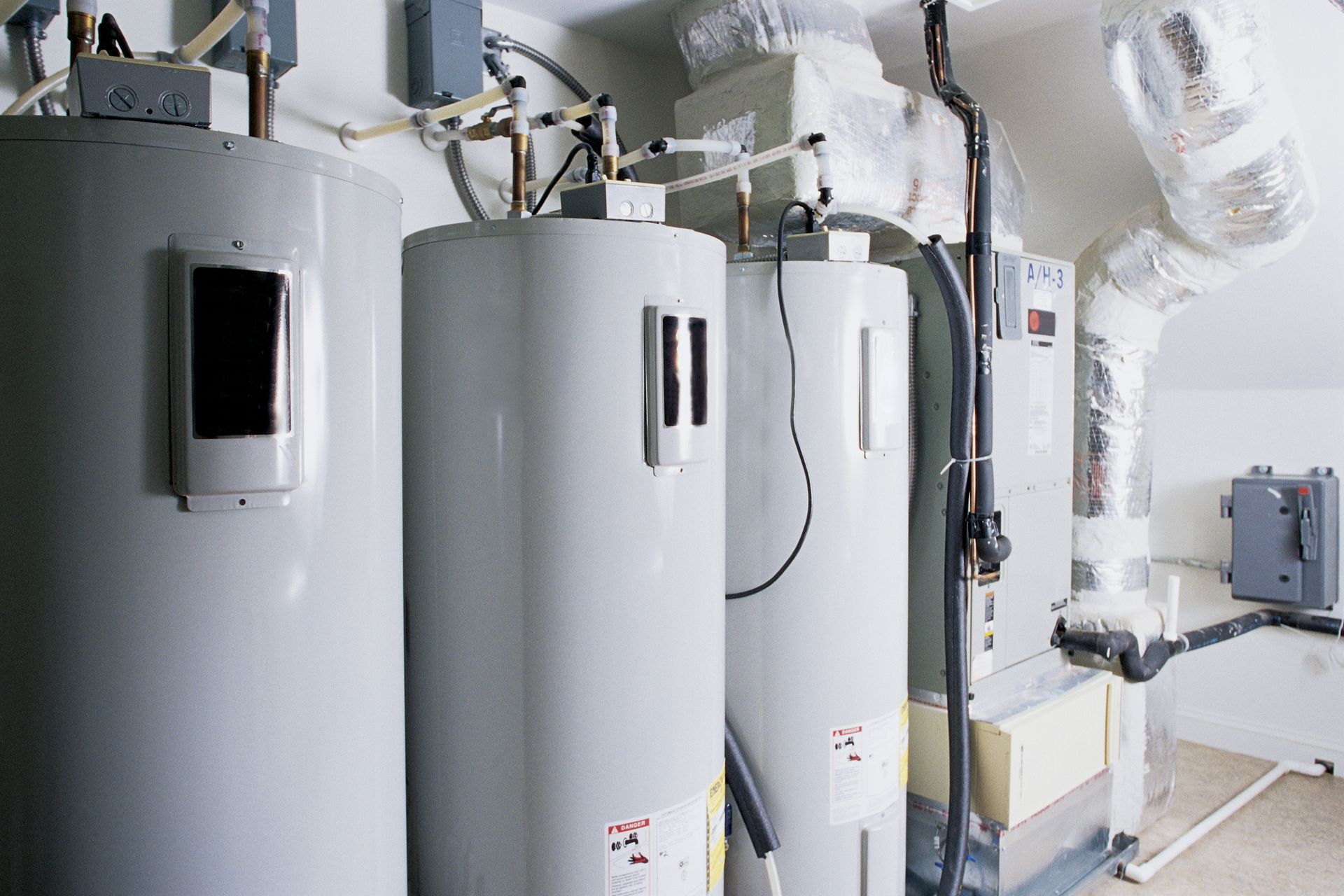
Physical space requirements create a stark contrast between these two popular models. Tankless units mount easily to walls, saving valuable floor space in small rooms. Bulky storage tanks require dedicated floor space, which severely limits placement options in smaller homes.
Appliance design matters to homeowners focused on property aesthetics and modern styling. On-demand systems offer sleek, compact profiles that look modern and unobtrusive. Storage vessels are large and unappealing, requiring hidden utility closets to maintain your home's visual design harmony.
Location versatility provides excellent flexibility during home renovations and plumbing updates. Compact tankless units fit into tight closets or onto exterior walls easily. Large storage models require specific spaces, which can complicate the layout during your water heater installation process. Property value increases when you invest in modern, high-quality home infrastructure upgrades. Buyers appreciate energy-efficient appliances that lower utility expenses and reduce environmental impacts.
Old storage tanks can cause concern during inspections, making modern systems a better choice for sellers. System customization options enhance user convenience and operational control over utilities. Advanced units feature digital touchscreens and smart home connectivity for precise temperature management. Storage options rely on simple mechanical dials without any advanced technical options or user adjustments.
Reviewing Consumer Satisfaction
User reviews offer realistic insights into daily system reliability and performance. Homeowners using tankless systems praise the endless hot water supply and monthly utility savings. Storage tank reviews are mixed, appreciating low initial costs but criticizing poor long-term energy efficiency. Expert opinions provide professional guidance for choosing new mechanical equipment. Plumbing specialists highly recommend tankless technology for long-term durability and resource efficiency. Storage tanks receive fewer endorsements, valued mostly for basic utility in low-demand properties or rental units.
Practical case studies demonstrate how these systems perform in diverse real-world homes. Moderate-use households report excellent savings with tankless options over time. Large families often favor standard tanks for handling high simultaneous hot water demands across multiple bathrooms. Overall satisfaction ratings reflect consumer preferences across the modern housing market.
Storage units maintain steady ratings from buyers prioritizing low upfront pricing over high performance perks. Final verdicts consolidate expert advice to assist your appliance buying choice. Tankless units are ideal for long-term efficiency and reliability. Choosing a quality water heater installation ensures your heating system perfectly matches your specific household needs and habits.
Selecting the perfect water heating system requires balancing your immediate budget against long-term operational efficiency. While traditional storage models provide affordable utility, advanced on-demand units deliver superior energy savings and valuable space conservation. To secure a flawless water heater installation, contact Walsh & Son Plumbing and Sewer so we can assist you today.