November 25, 2026
Tankless water heaters have changed the way modern households access hot water by delivering instant heating on demand. These systems offer major advantages over traditional storage tanks, including better energy efficiency, compact designs, and a continuous flow of warm water. However, several technical and environmental variables can still influence how well your unit operates over time. Understanding what drives efficiency and reliability helps homeowners protect their investment and enjoy consistent comfort.
Manage Hard Water and Mineral Deposits
Hard water contains elevated concentrations of calcium and magnesium that leave behind stubborn mineral scale inside your heating system. As these deposits coat the internal heat exchanger, the unit must burn more energy to transfer warmth into the flowing water. Over time, this added strain raises your monthly utility bills and shortens the functional lifespan of expensive internal components. Testing your household water supply early allows you to identify mineral issues before they cause uneven heating or sudden system shutdowns.
Installing a dedicated water softener alongside a routine descaling schedule prevents scale from insulating the heating elements. Most manufacturers recommend flushing the system with a gentle descaling solution at least once every twelve months to clear away accumulated minerals. Many newer units even include built-in diagnostic sensors that alert homeowners when mineral buildup reaches a critical threshold. Taking proactive steps against hard water preserves heat transfer efficiency and keeps your system running like new.
Prevent Corrosion and Sediment Accumulation
Chemically aggressive water with low pH levels or excessive chlorine can gradually eat away at internal pipes and valves. This hidden corrosion often leads to premature leaks, reduced thermal efficiency, and eventual system failure if left unchecked. Choosing units built with resilient stainless steel components offers strong defense against harsh water chemistry. Pairing these durable heaters with neutralizing filters or whole-house treatment systems protects vulnerable internal parts from costly damage.
Physical debris like sand, rust, and silt can also enter the plumbing system and restrict water flow through narrow internal passages. When sediment clogs screens or valves, water pressure drops noticeably and heating elements risk dangerous overheating. Installing a simple whole-house sediment pre-filter traps solid particles before they ever reach your water heater. Scheduling annual professional cleanings alongside regular filter swaps ensures uninterrupted water flow and dependable daily performance.
Prioritize Professional Sizing and System Setup
Selecting a tankless unit with the proper flow rate capacity is essential for meeting your household peak hot water demands. An undersized heater will struggle when multiple showers and appliances run simultaneously, resulting in lukewarm water and overworked components. Conversely, an oversized model increases upfront equipment costs without providing any practical benefit to smaller families. Consulting an experienced technician during a local water heater installation ensures your unit matches your exact household usage patterns.
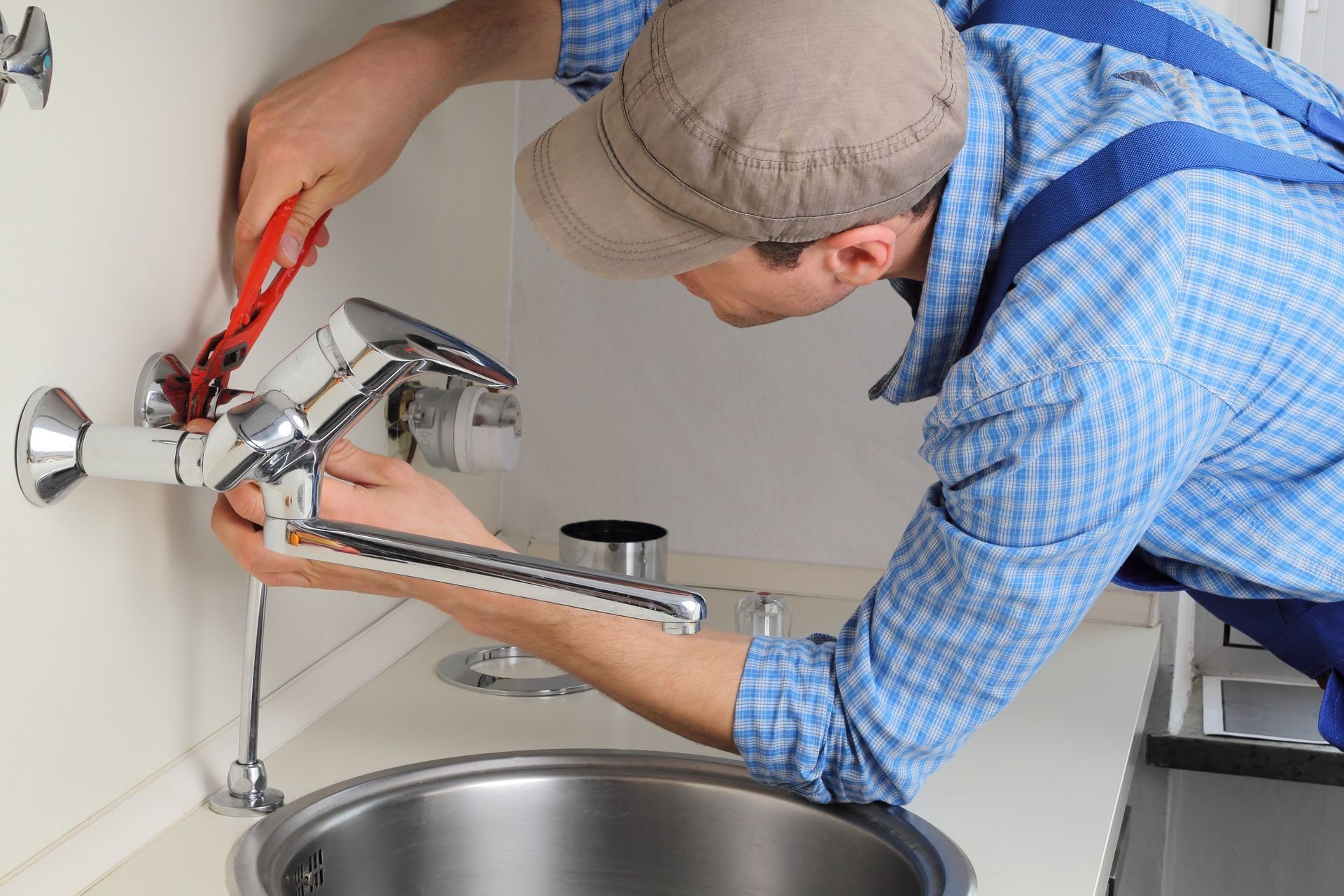
Attempting a complex do-it-yourself setup often introduces hidden problems like improper calibration, leaky fittings, and voided manufacturer warranties. Certified plumbers follow strict local building codes to guarantee every connection operates safely at peak thermal efficiency. Choosing a qualified contractor for your local water heater installation also provides valuable post-installation support and troubleshooting guidance. Proper setup lays the groundwork for decades of reliable, energy-saving hot water delivery.
Verify Gas Lines and Electrical Infrastructure
Gas-powered tankless models require a steady, high-volume fuel supply to heat cold water rapidly as it passes through the unit. If the existing supply pipe is too narrow, fuel starvation will prevent the burner from reaching your target water temperature. According to HomeAdvisor, standard kitchen stove gas lines typically need between 20 and 30 linear feet of half-inch or three-quarter-inch piping. Tankless water heaters often demand even greater fuel capacity, making professional pipe sizing critical during a local water heater installation.
Electric tankless systems place heavy demands on your home electrical panel and require dedicated circuits with proper amperage ratings. Inadequate wiring or undersized breakers can trigger frequent power trips, voltage drops, and sluggish heating performance during peak usage. Having a licensed professional evaluate your electrical capacity before scheduling a local water heater installation prevents dangerous circuit overloads. Upgrading your utility infrastructure ensures your chosen unit receives the exact power or fuel required for seamless operation.
Maintain Proper Ventilation and Airflow
Gas combustion models generate exhaust fumes that must exit your home safely through specialized venting materials. Improperly sloped ducts or mismatched vent pipes can disrupt airflow, reduce combustion efficiency, and create hazardous carbon monoxide leaks. High-efficiency condensing units require corrosion-resistant plastic venting, while non-condensing models need durable stainless steel exhaust pipes. Relying on certified experts for your local water heater installation guarantees that all exhaust pathways meet strict safety regulations.
Ongoing vent maintenance is equally important because outdoor debris, dust, or bird nests can easily obstruct intake and exhaust terminals. Blocked airflow forces the burner to shut down automatically or operate inefficiently, driving up fuel consumption. Inspecting exterior vent caps seasonally keeps air moving freely and protects your family from toxic gas buildup. Clean, unobstructed ventilation allows your gas heater to burn fuel cleanly and maintain steady water temperatures year-round.
Optimize Thermostat Settings and Usage Habits
Dialing in the right temperature setting strikes an ideal balance between personal comfort, scald prevention, and lower energy bills. Most manufacturers recommend setting the thermostat around 120 degrees Fahrenheit to satisfy daily bathing and cleaning needs efficiently. Pushing the temperature much higher wastes energy and accelerates mineral scale formation inside the heat exchanger. Adjusting the thermostat slightly lower during warmer summer months can yield even greater utility savings without sacrificing comfort.
Understanding your daily water habits also prevents overwhelming the system flow rate during busy morning or evening routines. Spacing out major water-using tasks, such as running the dishwasher right after back-to-back showers, helps maintain steady water pressure and heat. Discussing your family schedule during a local water heater installation helps technicians configure recirculation pumps or smart controls to match your lifestyle. Smart temperature management and mindful usage habits maximize efficiency while reducing unnecessary wear on your equipment.
Schedule Routine Inspections and Tune-Ups
Consistent preventive care remains the most effective way to preserve tankless water heater performance over its twenty-year lifespan. Even the highest quality equipment will gradually lose efficiency if intake screens clog or sensors drift out of calibration. Scheduling an annual checkup allows a trained technician to test gas pressures, inspect electrical terminals, and flush internal passages. Routine professional care catches minor wear early before it escalates into an inconvenient cold-water emergency.
Booking a local water heater installation with a professional contractor sets up an ongoing relationship for reliable annual maintenance. Technicians familiar with your specific setup can track water quality changes and recommend timely filter upgrades or descaling intervals. Investing a small amount of time in yearly tune-ups protects your warranty coverage and keeps monthly energy bills remarkably low. Proactive maintenance ensures your tankless system continues delivering endless hot water whenever you turn on the tap.
Ready to upgrade your home comfort or need expert help optimizing your current system? Contact Walsh & Son Plumbing and Sewer today to schedule your local water heater installation or annual maintenance service. Our experienced team provides honest assessments, precision workmanship, and dependable plumbing solutions tailored to your household needs. Reach out to Walsh & Son Plumbing and Sewer now and enjoy reliable, endless hot water all year long.