April 29, 2026
Your home’s plumbing system is one of its most essential components, quietly working behind the scenes to deliver water where you need it, when you need it. Most homeowners don’t think about their pipes, drains, or water heaters until a problem arises. However, outdated or failing plumbing can lead to inconvenient disruptions, expensive repairs, and even potential damage to your home. Recognizing the early signs that your system may need an upgrade can save you both money and stress in the long run.
Modern plumbing systems are designed to be efficient, durable, and safe, but age and wear take their toll over time. From persistent leaks to slow drainage and water pressure issues, your home might be trying to tell you that it’s time for an overhaul. By paying attention to these warning signs, you can take proactive steps to ensure your plumbing system continues to function reliably for years to come.
Beyond the immediate convenience, an upgraded plumbing system can significantly impact your home’s energy efficiency and water usage. Old pipes and fixtures often waste water and increase utility bills, while newer systems are designed to conserve resources without sacrificing performance. Upgrading your plumbing not only reduces the risk of costly repairs but also contributes to a more sustainable and efficient home.
Experiencing Frequent Leaks and Water Damage
One of the most obvious indicators that your plumbing system may need an upgrade is frequent leaks. Small drips from faucets, pipes, or fixtures can seem harmless at first, but over time, they can lead to significant water damage, mold growth, and structural problems. Leaks are often caused by corroded pipes, worn-out seals, or outdated materials that no longer withstand the pressure of regular use.
Older homes with galvanized steel or polybutylene pipes are particularly susceptible to corrosion and deterioration. Even if the leaks are minor, they can compound over time, resulting in higher water bills and wasted resources. According to This Old House, the average home leaks around 10,000 gallons of water annually, which is not only costly but also environmentally damaging.
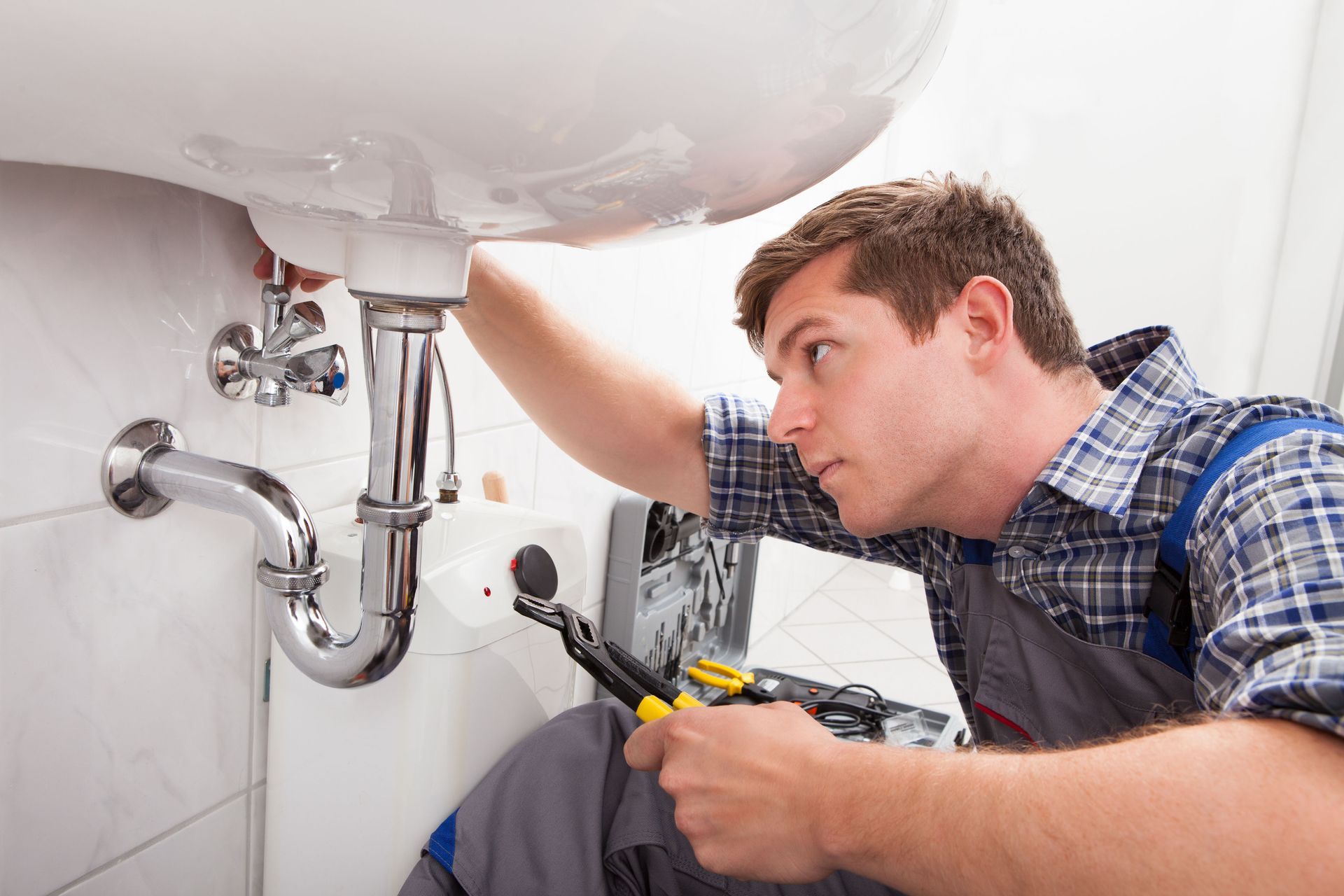
Frequent water damage on walls, ceilings, or under sinks is a clear sign that your system is struggling. A professional plumber can assess the scope of the problem, pinpoint the source of leaks, and recommend either targeted repairs or a full system upgrade. Ignoring persistent leaks may seem convenient in the short term, but it often leads to more expensive and extensive repairs later on.
Additionally, water stains or warped flooring can indicate hidden leaks within walls or beneath the foundation. These problems are rarely visible until the damage becomes severe. By consulting a plumber at the first sign of moisture problems, you can prevent long-term structural damage and ensure your home remains safe and comfortable.
Noticing Reduced Water Pressure
Water pressure is another critical component of an effective plumbing system. If your showers, faucets, or appliances seem to deliver a weaker flow than they once did, it may indicate underlying plumbing issues. Reduced water pressure can result from mineral buildup in pipes, corroded plumbing, or a failing water main. Over time, these issues compromise your system’s efficiency and performance.
Homes with older plumbing materials, like galvanized steel, are particularly prone to sediment buildup. This accumulation narrows the internal diameter of pipes, restricting water flow and causing low pressure throughout the house. A plumber can inspect your plumbing system, identify the source of reduced pressure, and determine whether partial repairs or a full replacement are necessary.
Low water pressure doesn’t just affect comfort—it can also damage your appliances. Washing machines, dishwashers, and water heaters rely on adequate pressure to function correctly. Persistent low pressure can strain these devices, reducing their lifespan and increasing repair costs. Addressing the issue early ensures that your plumbing system operates at peak efficiency and extends the longevity of your appliances.
Regular maintenance checks from a professional plumber can prevent water pressure issues from escalating. By staying proactive, homeowners can avoid the frustration of inconsistent water flow and maintain a reliable supply for daily activities.
Experiencing Frequent Clogs and Slow Drains
If your sinks, tubs, or toilets are consistently slow to drain or frequently clog, your plumbing system may be showing signs of age. Clogs often occur when debris, grease, or hair accumulates in the pipes, but repeated blockages may point to deeper systemic problems. Outdated pipes may have rough surfaces or corrosion that traps debris, making clogs more likely.
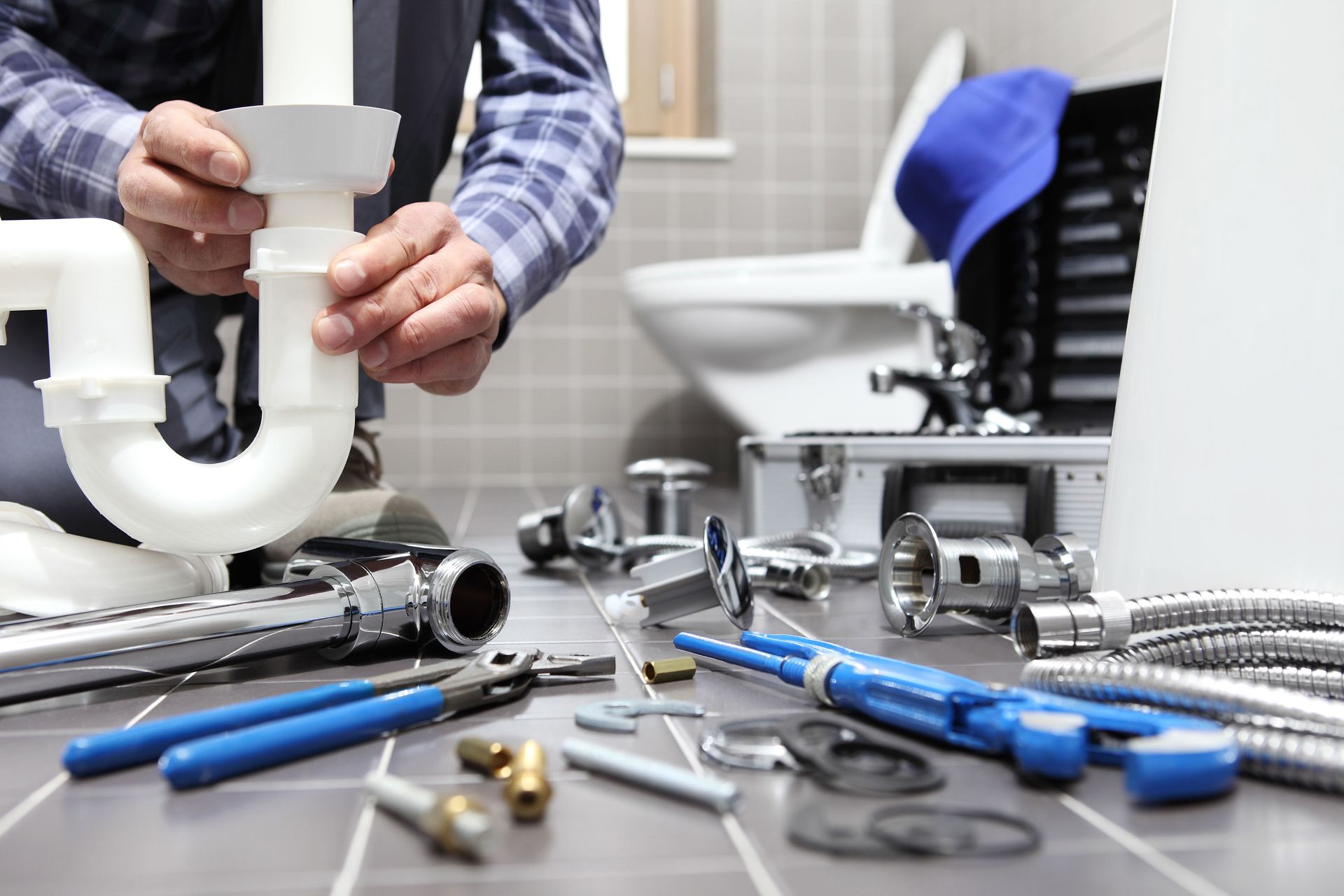
Older plumbing systems may also be undersized for modern household needs. As families grow and water usage increases, older pipes may struggle to handle the volume, resulting in slow drains or backups. A plumber can evaluate whether your pipes are appropriately sized, clear any obstructions, and suggest upgrades that improve overall flow and efficiency.
Persistent clogs can also be a symptom of tree root intrusion, particularly in homes with aging sewer lines. Roots can penetrate older pipes, causing cracks, blockages, and potential backups. These issues require professional intervention, and in many cases, a full system replacement may be the most cost-effective solution.
Addressing slow drains and recurring clogs early can prevent extensive water damage and avoid costly emergency repairs. By upgrading your plumbing system with durable, modern materials, you can enjoy a reliable, hassle-free water flow throughout your home.
Experiencing Frequent Appliance Failures
Your home’s appliances rely heavily on a functioning plumbing system. If you notice that your water heater, dishwasher, or washing machine requires more frequent repairs, it could indicate underlying plumbing issues. Aging pipes can lead to inconsistent water temperature, pressure fluctuations, and mineral buildup, all of which strain appliances.
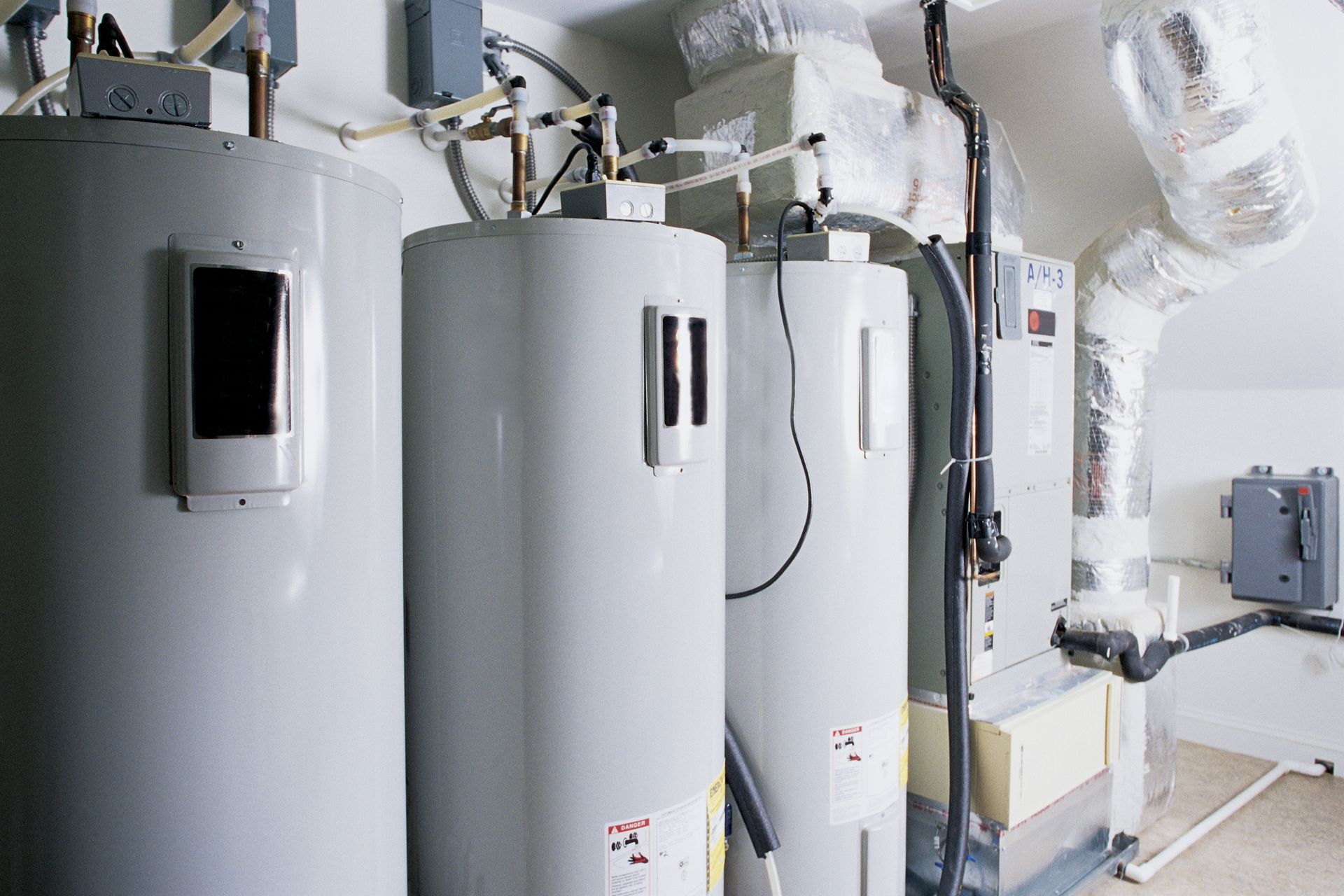
Water heaters, in particular, are vulnerable to corrosion and sediment accumulation. As the plumbing system ages, these problems worsen, reducing efficiency and potentially causing appliance failure. A plumber can inspect your system, identify signs of wear, and recommend repairs or replacements to prevent further damage.
Similarly, dishwashers and washing machines may underperform due to restricted water flow or inconsistent pressure. Inconsistent water supply can lead to longer wash cycles, poor cleaning results, and premature appliance wear. Upgrading your plumbing system ensures a steady, reliable supply of water that supports your appliances and reduces long-term maintenance costs.
Investing in an updated plumbing system may also increase your home’s overall value. Modern pipes and fixtures improve efficiency, minimize the risk of leaks, and provide peace of mind for potential buyers. A plumber can guide you through the process, ensuring that your plumbing system meets contemporary standards and functions flawlessly.
Recognizing the signs that your plumbing system needs an upgrade is essential for every homeowner. Frequent leaks, reduced water pressure, slow drains, and appliance issues all point to potential problems that should not be ignored. By addressing these warning signs early, you can prevent extensive damage, reduce repair costs, and ensure the continued efficiency of your home’s plumbing.
Consulting a plumber is the best way to assess your system’s health and determine whether targeted repairs or a complete upgrade are necessary. Investing in modern plumbing not only enhances daily comfort but also protects your home’s value and sustainability. Staying proactive and attentive to your plumbing needs ensures that your home remains safe, efficient, and reliable for years to come. For reliable service and peace of mind, contact Walsh & Son Plumbing and Sewer to schedule an inspection or upgrade—our experienced plumber team will ensure your home’s plumbing system runs smoothly and efficiently.