January 29, 2026
Knowing how often to schedule professional plumbing inspections is an important part of maintaining a safe, efficient, and comfortable home. Plumbing systems work behind the scenes every day, making it easy to overlook small issues until they turn into costly emergencies. Regular inspections help identify wear, corrosion, and inefficiencies before they disrupt daily life. Homeowners who plan routine evaluations often experience fewer surprises and more predictable maintenance costs. Understanding inspection frequency allows you to protect your investment while ensuring reliable access to clean water and proper drainage. A consistent approach to inspections also supports long-term property value and household safety. Routine evaluations create opportunities to address minor concerns early, improve system efficiency, and maintain confidence in essential plumbing infrastructure throughout every season of the year.
Understanding the Purpose of Routine Plumbing Inspections
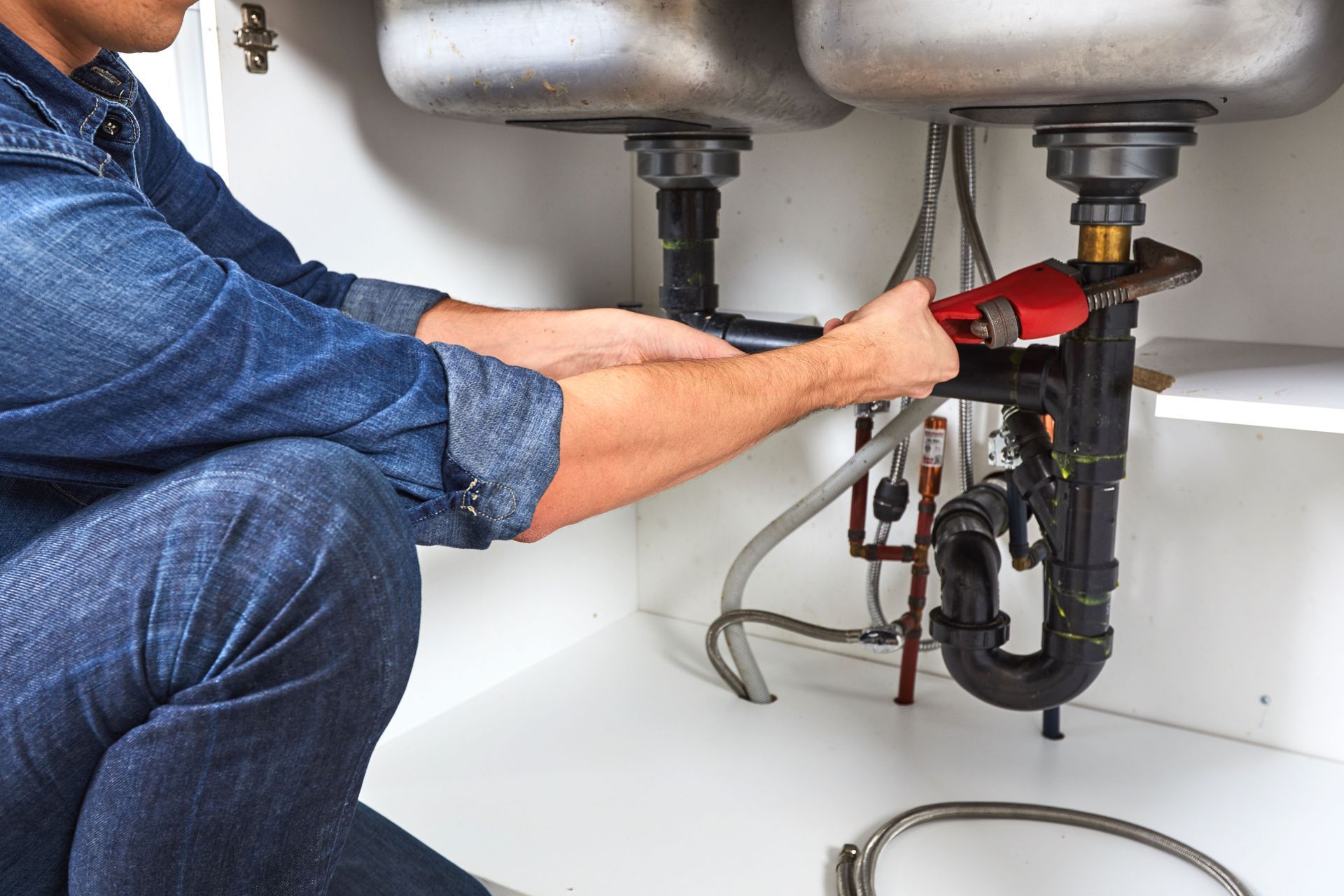
Routine plumbing inspections are designed to evaluate the condition of pipes, fixtures, and connected systems throughout the home. These inspections focus on identifying leaks, pressure irregularities, and early signs of deterioration. A plumbing technician uses specialized tools and experience to detect issues that are not visible to homeowners. Regular evaluations support consistent water flow and help prevent structural damage. Inspections also provide peace of mind by confirming that systems are operating as intended. This process creates a clear snapshot of current plumbing health.
The age of your home plays a significant role in how often inspections should be scheduled. Older properties typically have aging pipes and outdated materials that are more prone to failure. Scheduling a plumbing technician annually is often recommended for homes over several decades old. Newer homes may require less frequent inspections, but still benefit from periodic reviews. Age-based scheduling ensures plumbing systems receive appropriate attention. This approach helps address hidden vulnerabilities tied to older construction methods while supporting long-term reliability. Proactive inspections also help homeowners plan upgrades before unexpected breakdowns occur.
Some plumbing issues become noticeable between scheduled visits and should not be ignored. Slow drains, discolored water, or unexplained increases in water bills may indicate underlying problems. A plumber can assess whether these signs require immediate repairs or adjustments to your inspection schedule. Addressing early symptoms reduces the risk of extensive damage. Awareness helps homeowners act before minor concerns escalate. Prompt action often prevents costly service interruptions and unexpected plumbing emergencies. Early intervention also helps preserve the efficiency of drains, pipes, and water-using appliances.
Planning Annual Inspections for Preventive Maintenance
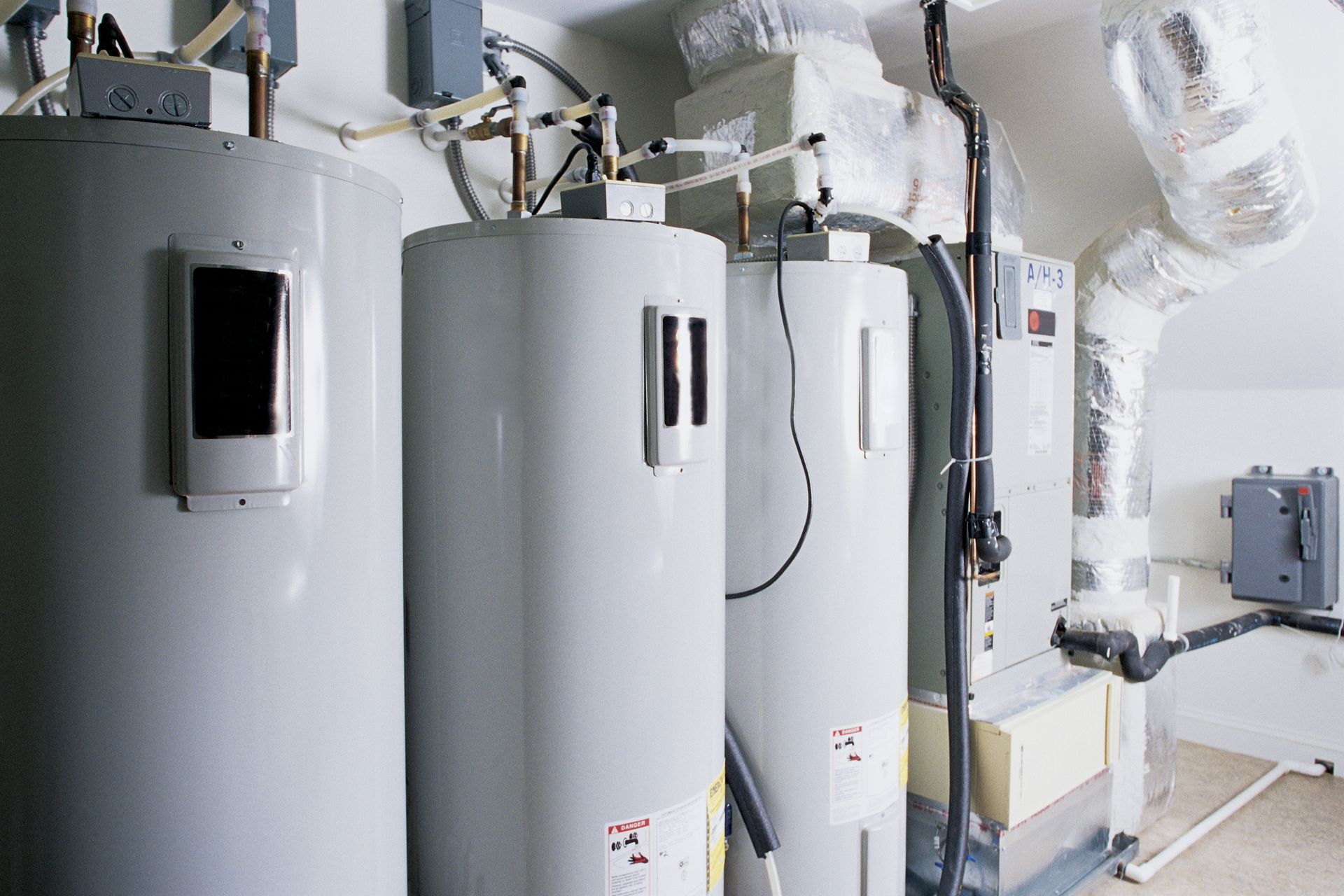
Many households benefit from scheduling a comprehensive plumbing inspection once per year. Annual visits allow technicians to review drains and pipes, water pressure, and appliance connections. According to The Spruce, water heaters should be drained and inspected at least one time each year, making this an ideal opportunity to include water heater services. Preventive maintenance helps extend system lifespan. Consistent scheduling creates a dependable maintenance routine. Annual planning simplifies long-term home care strategies.
Seasonal changes can place added stress on plumbing components throughout the year. Freezing temperatures, heavy rainfall, or extended heat can impact pipes and drainage systems. A plumbing technician can recommend inspections before or after extreme seasons to minimize damage. Seasonal planning supports system stability and reduces emergency service calls. Proactive care aligns maintenance with environmental conditions. This strategy helps prevent weather-related plumbing failures.
Installing new appliances or fixtures is an excellent time to review your plumbing system. Appliance installation often requires adjustments to water lines, drains, or gas connections. A plumber can verify that installations meet safety standards and function efficiently. Combining inspections with upgrades ensures compatibility across systems. This approach prevents future performance issues. Coordinated planning improves long-term reliability.
Addressing Drain and Sewer System Health Regularly
Drain and sewer services are critical to maintaining sanitary conditions in the home. Blockages, root intrusion, or pipe misalignment may develop gradually over time. Scheduling inspections helps identify buildup before it causes backups. A plumbing technician evaluates drainage efficiency and recommends cleaning or repairs when needed. Regular attention supports smooth wastewater removal. Ongoing monitoring reduces the likelihood of major disruptions.
Homes with gas appliances require careful monitoring of gas line services for safety and efficiency. Inspections ensure connections remain secure and compliant with regulations. Specialized plumbing services may also involve unique systems that need expert evaluation. A plumber can identify risks and recommend appropriate maintenance intervals. Thorough reviews enhance overall household safety. This diligence helps maintain compliance with safety expectations.
High water usage can accelerate wear on plumbing systems. Large households or properties with frequent guests often place greater demand on pipes and fixtures. Scheduling a plumbing technician more frequently helps manage increased stress on the system. Usage-based planning tailors inspections to real-world conditions. This strategy supports long-term performance. Customized scheduling improves system efficiency.
Protecting Your Home With Professional Expertise
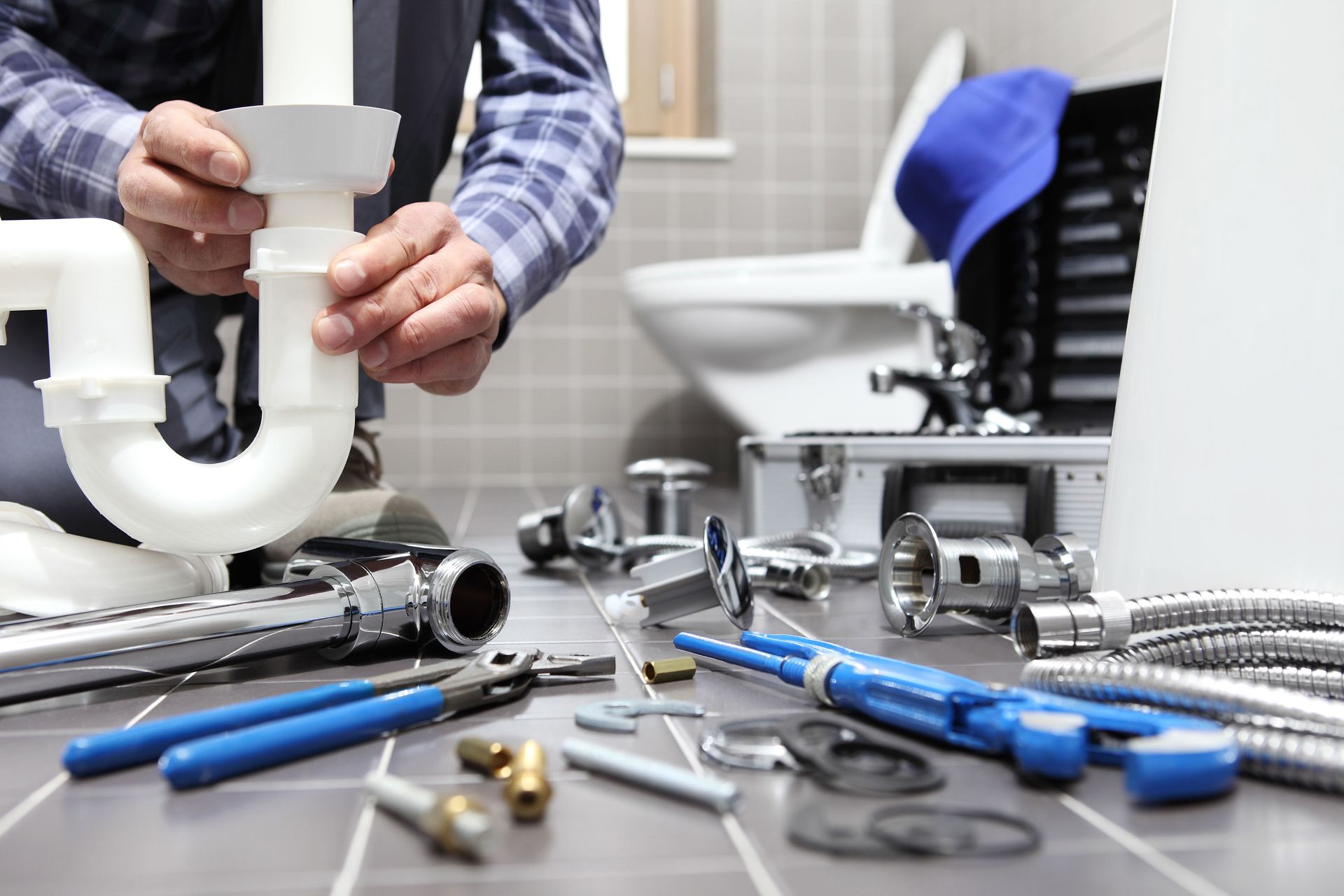
Professional inspections provide insights that go beyond visual checks. Licensed plumbers bring training and diagnostic tools that improve accuracy. A professional can recommend drain and pump services, sewer services, or water heater services based on findings. Expert evaluations reduce guesswork and improve outcomes. Professional oversight adds measurable value to maintenance plans. Skilled assessments strengthen overall system reliability.
Regular inspections are often more affordable than emergency repairs or system replacements. Preventive care reduces the likelihood of sudden failures that disrupt daily routines. A plumber helps homeowners prioritize repairs to manage costs effectively. Planning inspections supports budget stability over time. Long-term reliability benefits both comfort and property value. Consistent maintenance minimizes financial surprises.
Home remodeling projects often involve changes that affect plumbing lines and connections. Bathroom or kitchen updates may alter drain paths, water supply routes, or fixture placement. A plumbing technician can inspect systems before and after renovations to ensure everything functions properly. This coordination helps prevent hidden issues behind walls or under floors. Inspections during remodeling protect new investments from future damage. Proper oversight supports long-term performance after construction is complete.
Monitoring Plumbing Systems in Rental or Multi-Unit Properties
Rental properties and multi-unit buildings typically experience higher plumbing usage than single-family homes. Increased demand can accelerate wear on drains, pipes, and fixtures. Scheduling inspections with a plumber helps identify shared system issues early. Routine evaluations reduce tenant disruptions and emergency service calls. Consistent inspections also support property management planning. Proactive care helps maintain reliability across multiple units.
Building a long-term relationship with a trusted service provider supports consistent plumbing care. Familiarity with your system allows inspections to become more efficient over time. A plumbing technician who understands your property can track changes and anticipate future needs. Ongoing partnerships simplify scheduling and maintenance decisions. This approach encourages proactive service rather than reactive repairs. Long-term planning strengthens overall system stability. Consistent service history also helps identify recurring issues before they become disruptive. Over time, this relationship supports more accurate recommendations and better maintenance outcomes.
Establishing a consistent plumbing inspection schedule is one of the most effective ways to protect your home and avoid unexpected disruptions. By considering factors such as home age, seasonal changes, remodeling plans, and usage patterns, homeowners can determine how often professional evaluations are needed. Working with licensed plumbers ensures accurate assessments, fast same-day response, and a 1-year workmanship warranty for added confidence. Routine inspections help extend system lifespan, reduce emergency repairs, and support long-term efficiency. Walsh & Son Plumbing and Sewer provides dependable inspections and comprehensive plumbing services designed to support reliable system performance year after year. Proactive inspections help safeguard essential systems, protect property value, and improve everyday comfort for households of all sizes. For more information, contact us today!